More and more people type full questions into ChatGPT, Gemini or Google and read one written answer instead of scrolling through ten links. When that answer recommends a business, it is usually one that explained the topic clearly somewhere online. You can't pay to be in it, but you can make it much more likely.
Here is what we change on client websites so they have a real chance of being that business.
How AI answers choose their sources
AI assistants and Google's AI Overviews lean on pages that are easy to understand, easy to quote and confirmed by other sources. They are not browsing your site like a customer would. They are looking for clear statements they can reuse with confidence. If your key information sits inside a PDF, an image or a long vague paragraph, it may as well not exist.
Answer the question in the first two sentences
List the questions your customers actually ask your sales team, then give each one its own section or page. Put a direct answer right under the heading and add the detail after it. If the question is "How much does SEO cost in Dubai?", open with a realistic range and what changes the price. Don't start with the history of search engines.
Structure pages so they are easy to quote
- Use headings that read like the question people ask.
- Keep paragraphs short, with one idea in each.
- Use lists and tables for steps, prices and comparisons.
- Add a short FAQ with FAQ schema where it genuinely helps the reader.
Show that you are a real, trusted business
Keep your business name, location and contact details identical on your website, your Google Business Profile and the directories you appear in. Publish real case studies, real photos and the names behind the work. Reviews on independent sites and mentions in respected publications matter more than ever, because AI tools cross-check what you say about yourself.
Classic SEO is still the foundation
AI Overviews still draw heavily on pages that already rank well in normal search. Fast pages, clean indexing, sensible internal links and genuinely helpful content come first. AI visibility is built on top of good SEO, not instead of it.
How to tell if it is working
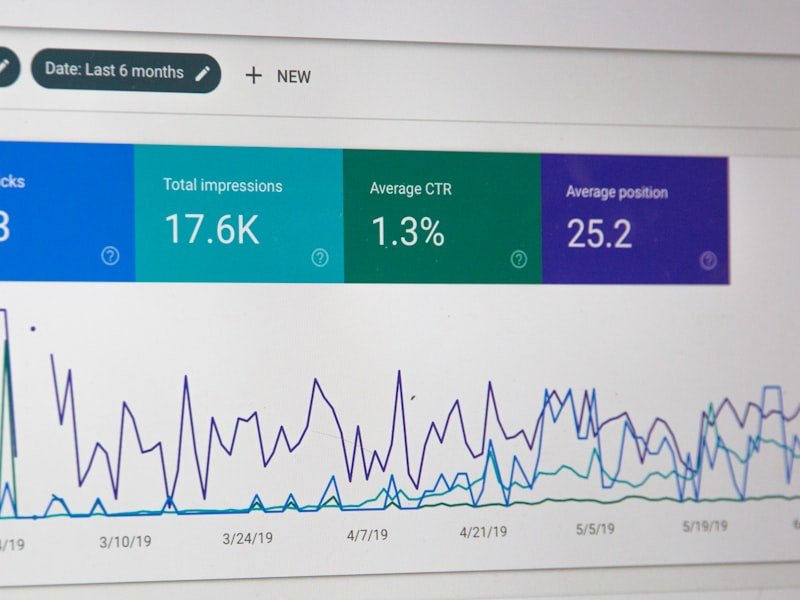
Once a month, ask the assistants the same questions your customers ask and write down which brands appear. In Google Search Console, watch searches for your brand name, and in Analytics watch direct visits. Both tend to climb when AI tools start recommending you.
A quick example
A clinic we worked with had a single "Services" page listing twelve treatments in one long paragraph. We gave each treatment its own page, opened every page with a two-line answer to "what is it and who is it for", added prices as a range and a short FAQ, and linked the pages to each other. Nothing about the clinic changed, only how clearly it explained itself. That clarity is what search engines and AI tools reward.
Mistakes to avoid
- Publishing dozens of thin, near-identical pages just to target keywords.
- Hiding prices, locations or opening hours behind a contact form.
- Letting important pages load slowly or depend entirely on scripts to show their text.
Frequently Asked Questions
Can I pay to appear in ChatGPT or Google AI Overviews?
Not in the organic answers. They are based on what the systems find and trust online, so the way in is clear, useful content, a solid website and a good reputation on other sites.
How long does it take to show up in AI answers?
It depends on your starting point and your competition. Well-structured pages on an established site can start appearing within a few weeks. Newer sites usually need a few months of consistent work.
Do I still need normal SEO if AI search is growing?
Yes. AI answers lean heavily on pages that already rank well, and many people still click through to websites. Good SEO is the base that AI visibility is built on.
Write for the person asking the question. Clear, specific and honest answers are exactly what AI tools are looking for.
Want help getting your brand into AI answers? See our SEO & AI search service.